
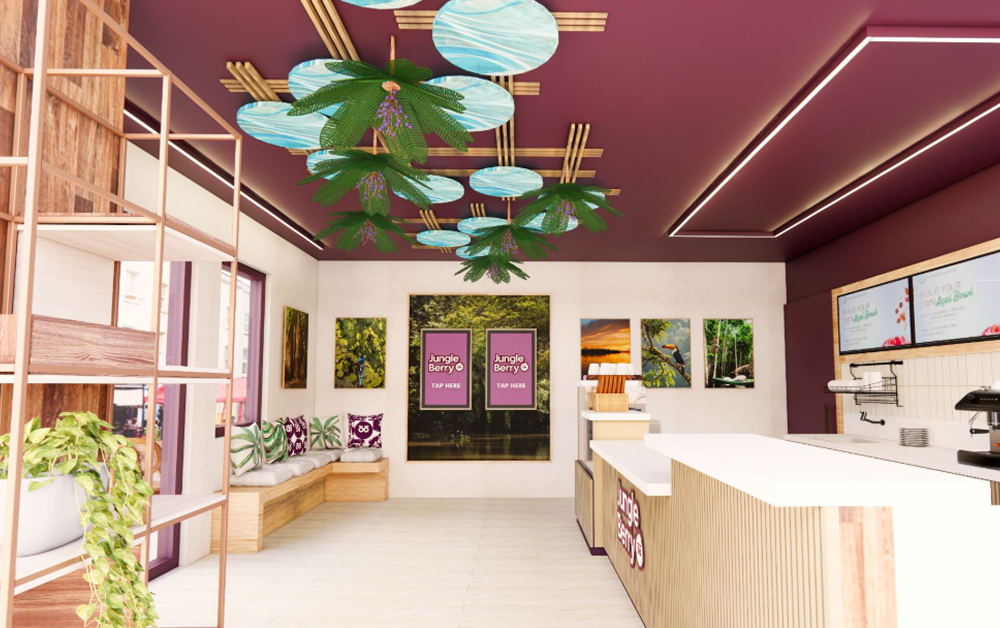
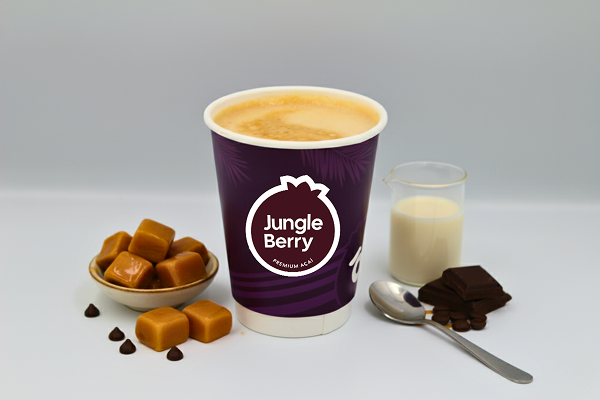
Decide how broad the proposition should be
A smoothie-only menu is easy to explain, but it may limit customer occasions. A broader model can add açaí bowls and complementary products while staying focused enough to operate efficiently.
The decision should be driven by customer demand and the operating model rather than by adding products simply to make the menu look bigger.
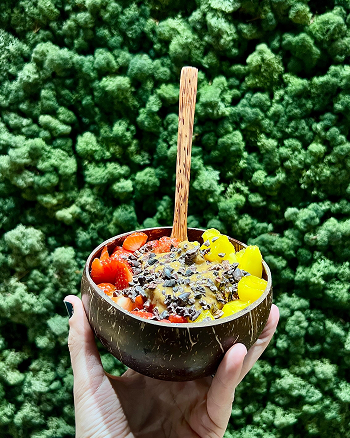
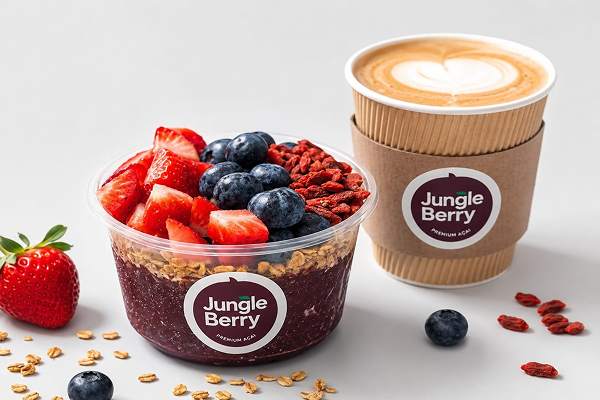
Design for throughput
Preparation space, refrigeration, blending equipment, storage and point-of-sale flow affect how many orders a team can produce during a rush.
A visually attractive store that cannot handle peak demand will create queues, errors and labour inefficiency. Workflow should therefore be part of site and fit-out planning from the beginning.
Match the location to the occasion
Gym-adjacent, retail, university, office and neighbourhood locations can all create demand, but they do not behave the same way. Each has a different rhythm, average dwell time and balance between takeaway, delivery and in-store consumption.
Test the location against the intended customer rather than assuming generic high footfall will solve the commercial model.
Compare independent and franchise routes
An independent smoothie bar gives the owner full control over branding and suppliers. A franchise gives up some freedom in exchange for an existing brand system, product standards, operating know-how and support.
Applicants should compare the actual support and commercial obligations rather than making the choice on brand awareness alone.