
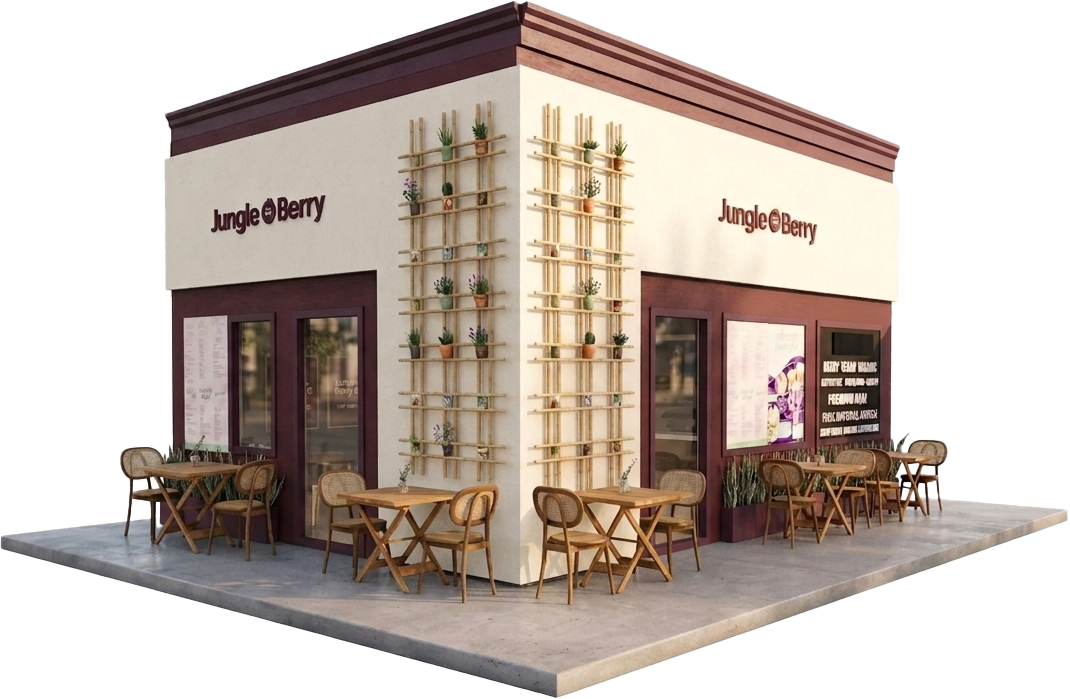
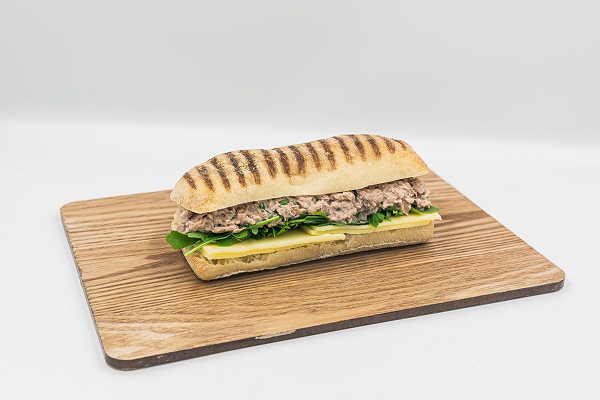
Start with the proposition
Ask what the customer can understand about the concept in a few seconds. A clear proposition helps with location selection, local marketing and repeat purchase because the store stands for something specific.
Then look at whether the menu and experience can stay focused as the business scales. Complexity can increase labour, stock and training requirements even when it looks attractive on a menu board.
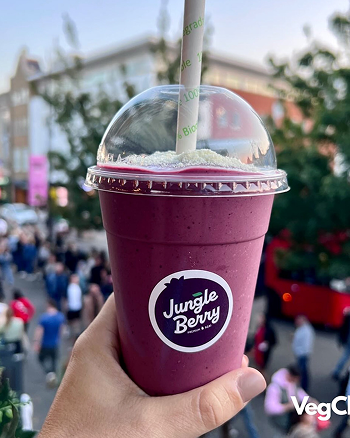
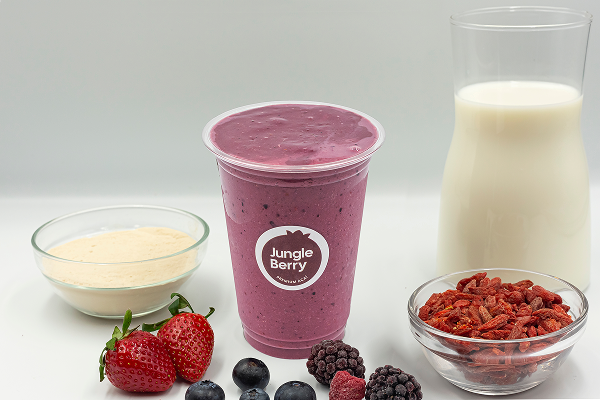
Compare operating reality
Review staffing, opening hours, preparation, storage, equipment, supply and peak-hour service. Two franchises with similar customer-facing products can have very different operational demands.
If you plan to be an owner-operator, decide whether the day-to-day role suits you. If you plan to manage through a team, test whether the system is strong enough to operate consistently without your constant presence.
- Staffing model
- Training burden
- Menu complexity
- Supply chain
- Opening hours
- Management requirement
Check whether the location model fits your market
Some concepts depend on destination visits, others on high footfall, commuting, leisure, delivery or local repeat customers. The property model should be part of the franchise comparison from the start.
A brand that works well in one type of catchment may not automatically translate to every UK city or neighbourhood.
Choose the growth model you actually want
Some applicants want one business they operate themselves. Others want a platform that can support several locations. Ask about multi-unit expectations, development rights and the management structure required before assuming the same franchise suits both ambitions.
Jungle Berry applicants can use the UK qualification process to discuss whether the opportunity is being considered as a single location or part of a broader development plan.